
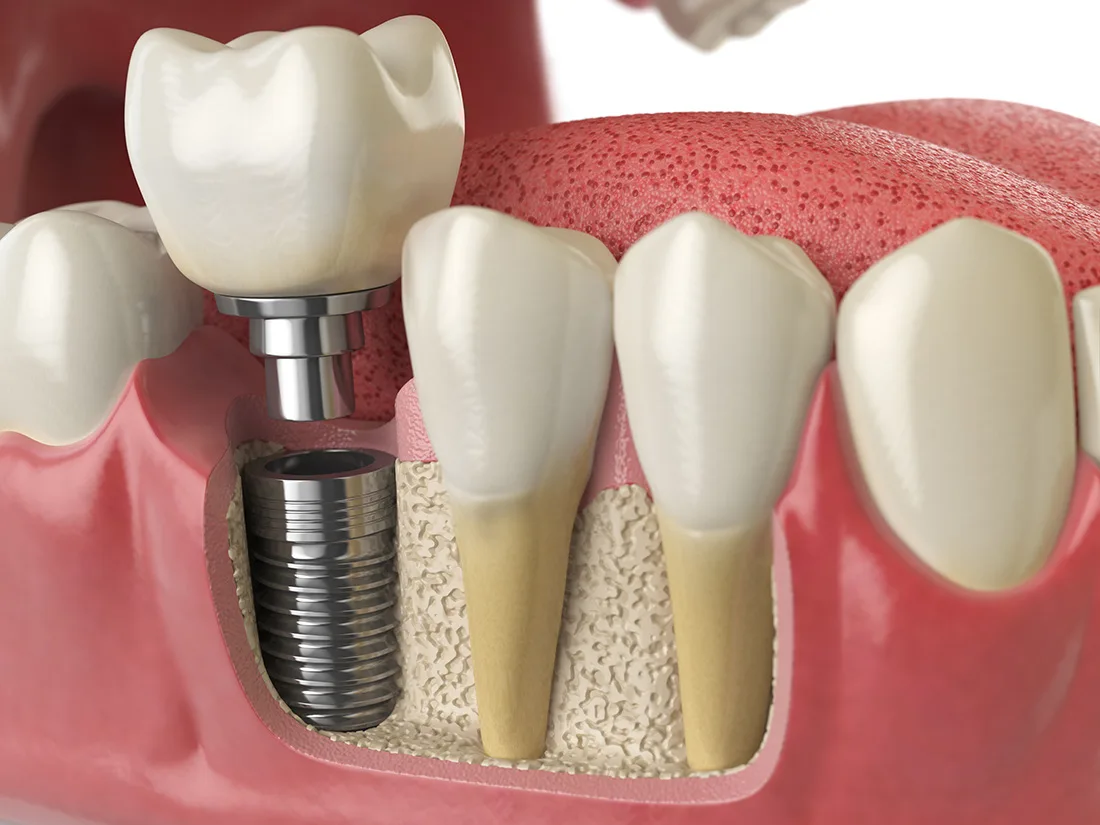
Innovative Approaches to Enhancing Dental Implant Biocompatibility
The Evolution of Dental Implant Technology
The field of dental implantology has witnessed remarkable advancements in recent years, particularly in the realm of biocompatibility. These innovations have revolutionised the way dental implants Leicester practitioners approach patient care, ensuring better outcomes and increased long-term success rates. The focus on enhancing biocompatibility represents a significant stride towards more effective and safer dental restoration solutions.
Understanding Modern Implant Materials
Contemporary dental implant materials have evolved significantly from their earliest iterations. Advanced biocompatible materials in modern dental implants now incorporate sophisticated surface treatments and coatings that promote better osseointegration and reduce the risk of rejection. These developments have particularly benefited patients seeking dental implants Leicester, as practitioners can now offer more personalised solutions based on individual patient needs.
Surface Modification Technologies
The enhancement of implant surfaces has become a crucial focus in improving biocompatibility. Modern surface modification techniques include:
- Plasma-sprayed hydroxyapatite coatings
- Micro-roughened titanium surfaces
- Bioactive glass integration
- Nanostructured surface treatments
Biological Integration Advances
Recent research has shown that innovative biological coating technologies for dental implants can significantly improve the integration process. These advances have led to faster healing times and more predictable outcomes for patients seeking dental implants Leicester treatments. The incorporation of growth factors and bioactive molecules has particularly enhanced the body’s natural healing response to implant placement.
Smart Materials and Coating Technologies
The development of smart materials has introduced new possibilities in implant design. These materials can:
- Respond to changes in the oral environment
- Release beneficial compounds when needed
- Adapt to varying mechanical stresses
- Promote targeted tissue regeneration
Cutting-edge dental implant research materials continue to push the boundaries of what’s possible in implant technology, offering practitioners more options for challenging cases and complex patient needs.
Antimicrobial Properties and Infection Prevention
One of the most significant developments in implant biocompatibility has been the incorporation of antimicrobial properties. These innovations help prevent post-operative infections and ensure better long-term outcomes. Researchers have developed surfaces that actively resist bacterial colonisation while maintaining their biocompatible properties, marking a substantial advancement in implant technology.
Novel Surface Treatments
The latest surface treatments combine multiple approaches to enhance biocompatibility:
- Silver nanoparticle incorporation
- Photocatalytic titanium dioxide coatings
- Zinc-doped surface modifications
- Bioactive peptide applications
Future Developments in Biocompatibility
The future of dental implant biocompatibility looks increasingly promising, with several emerging technologies on the horizon. Researchers are exploring the potential of:
- 3D-printed custom implant surfaces
- Stem cell-enhanced integration techniques
- Smart material responses to oral bacteria
- Biodegradable coating technologies
These developments suggest that future implant technologies will offer even more sophisticated solutions for patient care.
Personalised Treatment Approaches
The trend towards personalised medicine has also influenced implant biocompatibility research. Practitioners now have access to advanced diagnostic tools that help determine the most suitable implant type and surface treatment for each patient’s specific biological profile. This individualised approach has significantly improved success rates and patient satisfaction.
Moving Forward in Implant Technology
The continuous advancement in dental implant biocompatibility represents a significant step forward in dental medicine. These innovations have not only improved the success rates of implant procedures but have also reduced recovery times and enhanced patient comfort.
As research continues and new technologies emerge, the field of dental implantology will likely see even more remarkable developments in biocompatibility and patient care. The integration of these innovative approaches has transformed dental implant procedures from a challenging surgical intervention into a highly predictable and successful treatment option.
With ongoing research and development, patients can look forward to even more sophisticated and biocompatible solutions in the future, ensuring better outcomes and improved oral health for generations to come.